


Organizing an event in Nigeria, whether corporate, social, or public, requires meticulous planning to guarantee the safety of attendees, staff, and assets. Security challenges such as crowd management, theft, and emergencies can disrupt even the most well-planned occasions. To avoid these risks, event organizers must adopt proactive strategies. Below are seven essential tips for ensuring event security in Nigeria.
Tip 1: Conduct a Thorough Risk Assessment
Before the event begins, identify potential threats and vulnerabilities. Risk assessment helps organizers anticipate issues such as overcrowding, unauthorized access, or emergency situations. This step allows for the creation of a tailored security plan that addresses specific risks.
Tip 2: Hire a Professional Security Company
Partnering with a reputable security company in Nigeria ensures access to trained personnel and advanced technology. Experienced firms provide services such as crowd control, access management, and emergency response, making them indispensable for large gatherings.
Tip 3: Implement Access Control Measures
Restrict entry to authorized individuals by using ID cards, wristbands, or biometric systems. Access control prevents intruders from disrupting the event and ensures that only registered guests are admitted.
Tip 4: Use Electronic Security Solutions
Technology enhances event safety. CCTV cameras, alarm systems, and metal detectors help monitor activities in real time. These tools provide evidence in case of incidents and deter potential offenders.
Tip 5: Train Staff and Volunteers
Security is not the sole responsibility of hired guards. Event staff and volunteers should be trained on emergency procedures, crowd management, and communication protocols. Their awareness strengthens the overall security framework.
Tip 6: Establish Clear Communication Channels
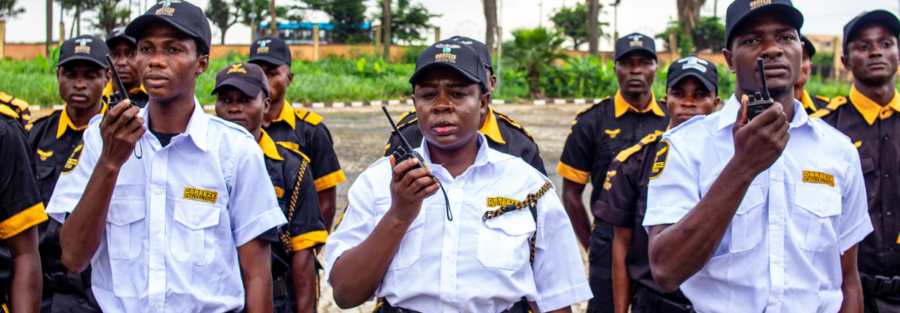
Effective communication is vital during emergencies. Walkie-talkies, mobile apps, or designated communication points ensure that security teams, organizers, and staff can coordinate quickly. Clear communication reduces confusion and speeds up response times.
Tip 7: Prepare for Emergencies
No event is immune to unexpected situations. Develop contingency plans for medical emergencies, fire outbreaks, or evacuations. Having first aid stations, emergency exits, and response teams on standby ensures swift action when needed.
Conclusion
In conclusion, ensuring event security in Nigeria requires a combination of risk assessment, professional support, technology, staff training, communication, and emergency preparedness. By following these seven tips, organizers can create safe environments that allow guests to enjoy events without fear or disruption.